
Founding Fathers Balanced Interests, So Should We
This installment opens a new chapter for Our Common Purpose. The overall theme is the same, indeed is based on what has been developed previously in this space, but the message takes a new direction.
July 3, 2026
We can celebrate 250 years by tipping our hat to the founders who gathered 11 years later to hammer out the U.S. Constitution. The country wouldn’t be around to observe this momentous day were it not for them.
The founders had soaring ambitions. They were also pragmatists who had to deal with intense competing interests.
They ingeniously balanced the influence of the more populous and less populous states, balanced powers between the executive, legislative and judicial branches, balanced the prerogatives of the federal and state governments. The Constitution is chock full of checks and balances.
Their reasoning, their motives and the mechanisms they chose are debated, criticized and today are being sorely tested. The result, however, has stood the test of time – in fact may be a large part of why we have lasted as long as we have.
The founders showed us how to balance competing interests, a lesson that today we need to learn all over again.
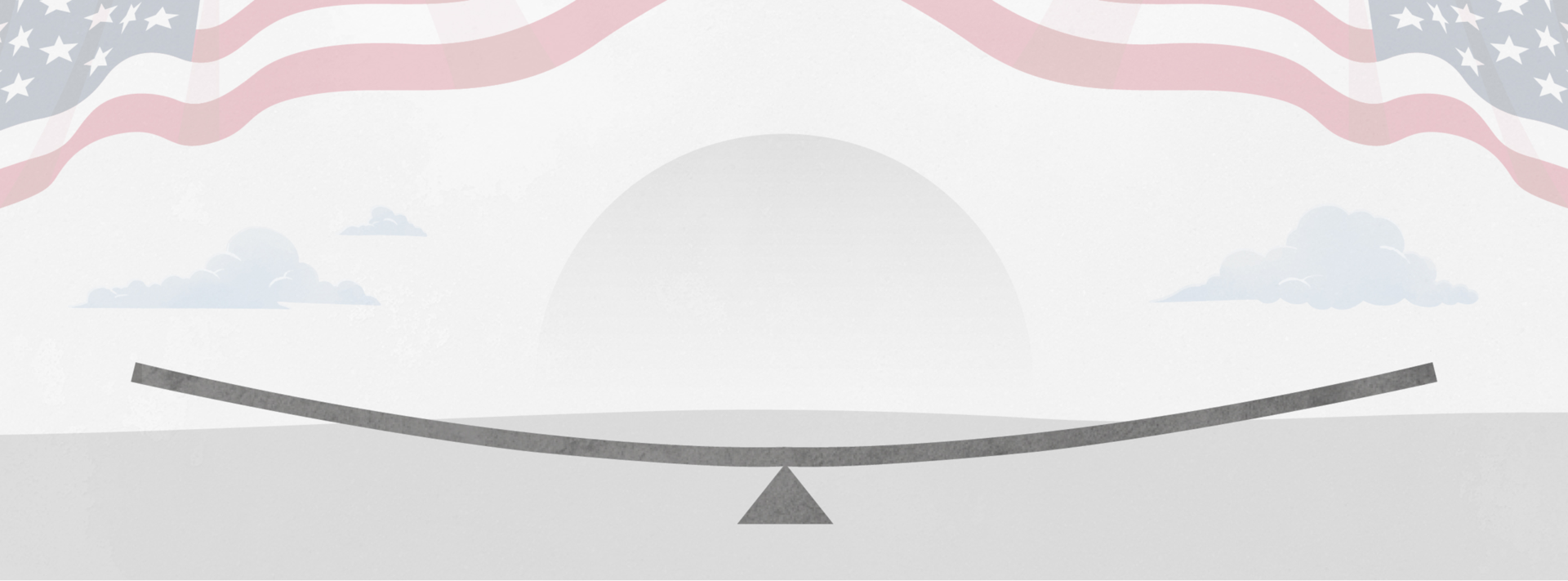
We the Body Politic are one big teeter totter. Republicans perched on one end, Democrats on the other. Both obsessed with leaving the other side dangling. Fidgeting on the fulcrum are all the hard-to-predict swing voters. Whichever way they lean will decide the winner in any contested election.
That only sets the stage for the next round. As soon as the winning party overreaches and tilts government too far in its direction, many of those in the middle start fidgeting all over again. Four years later they likely will lean back the other way.
Why? Because, although we aren’t necessarily conscious of it, deep down we want and need balance. We seek stability. We don’t want any group to gain advantage at the expense of another. We try to do what’s right. We seek to